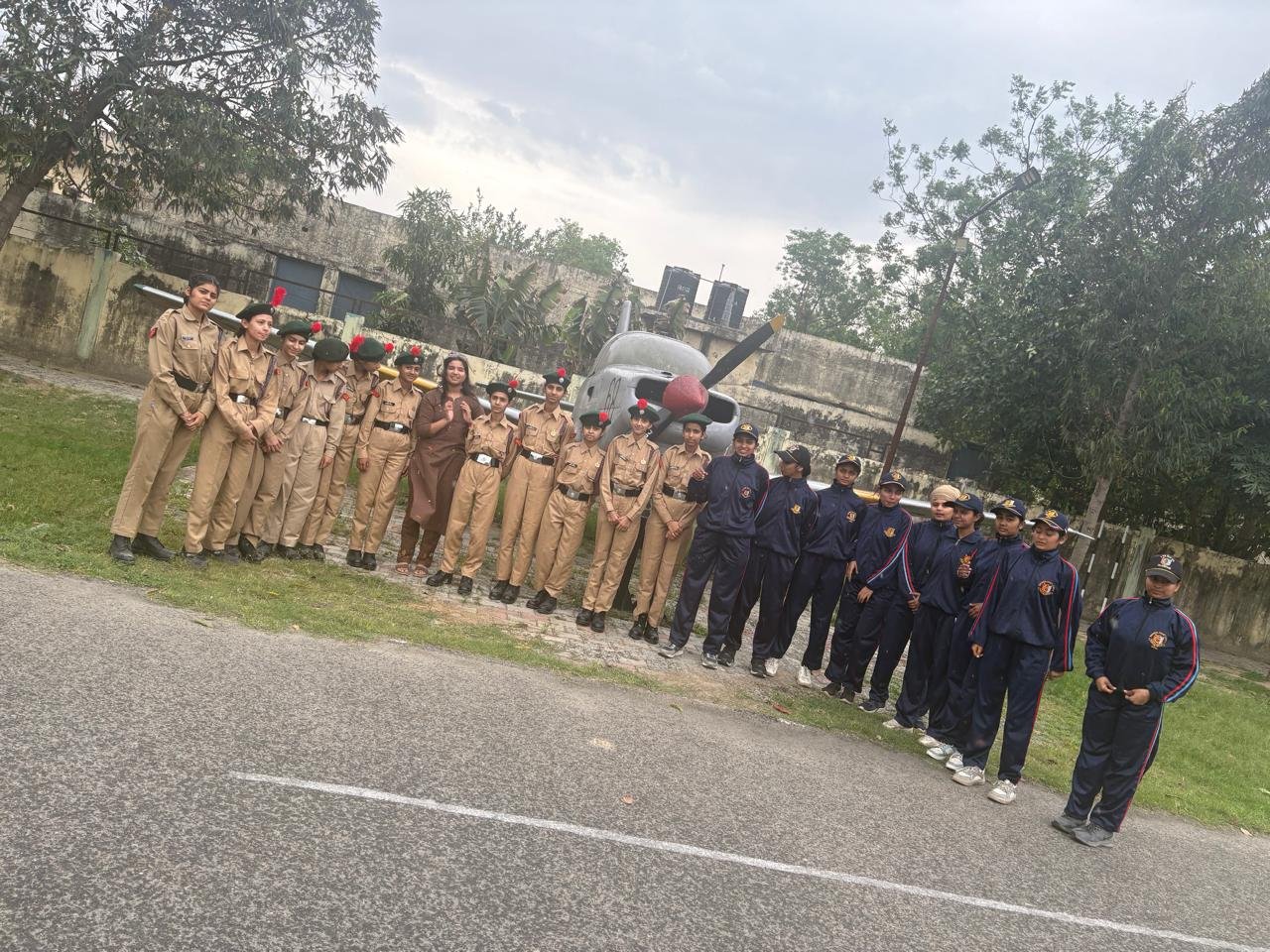
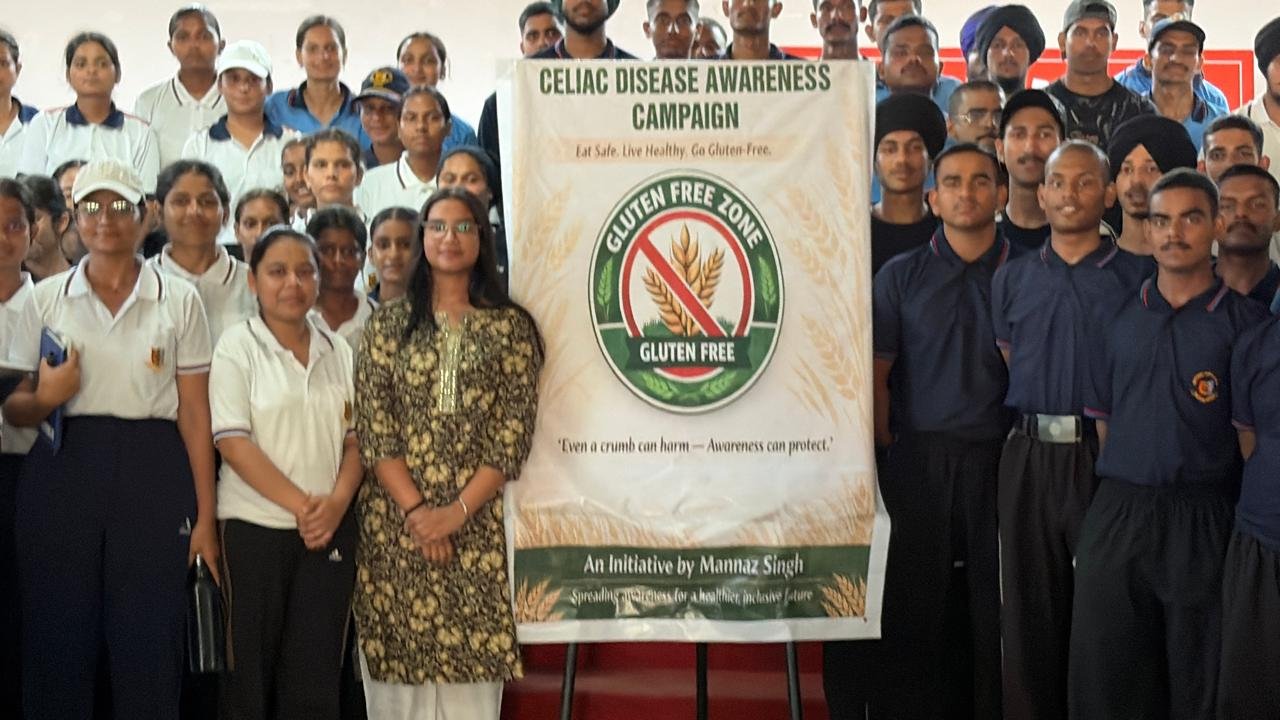
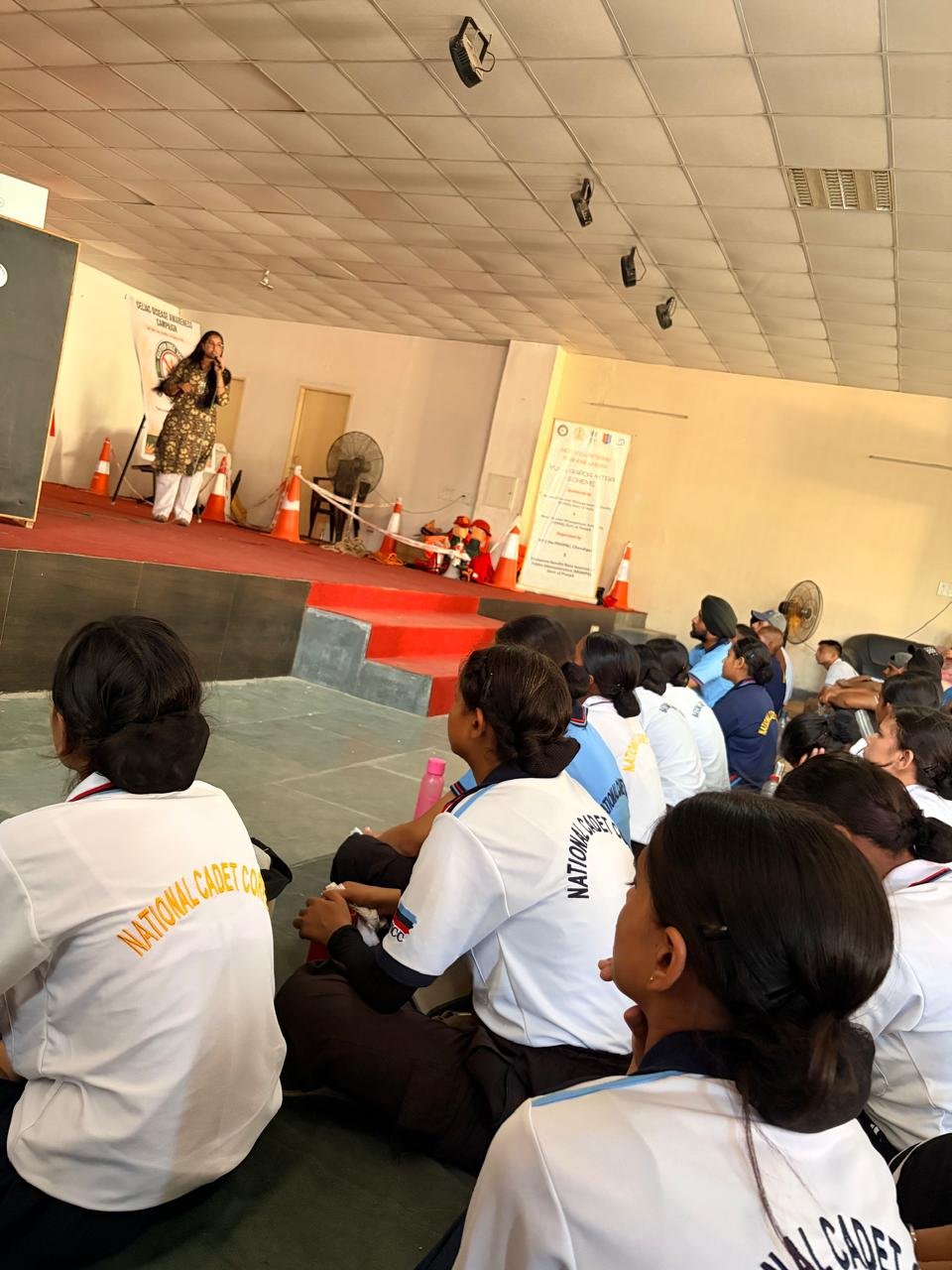
We are dedicated to increasing awareness, reducing misconceptions, and ensuring that people affected by gluten-related disorders have access to accurate information and safe dietary choices.
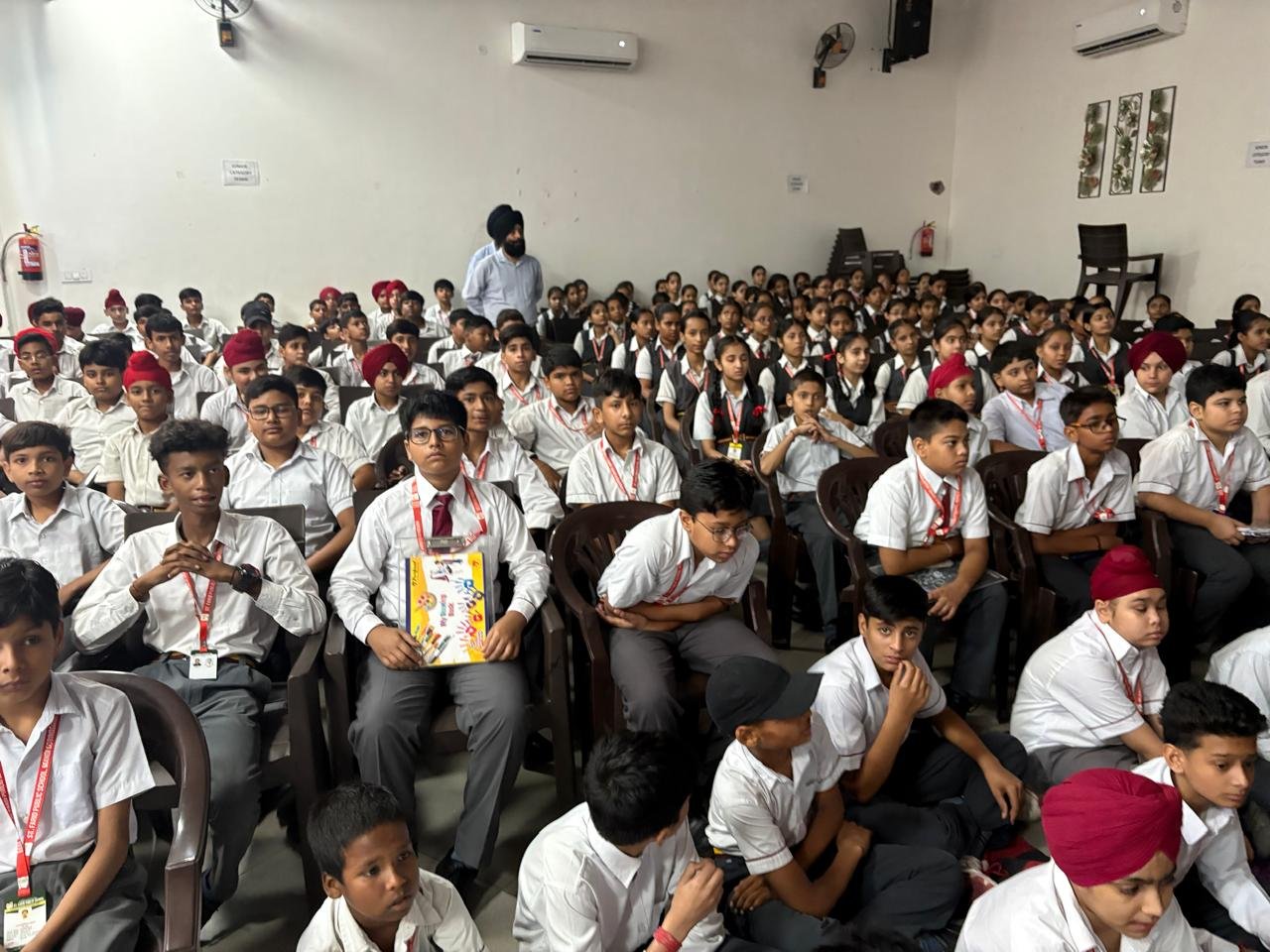
Celiac Connect warmly welcomes the support, collaboration, and active participation of individuals, healthcare professionals, educators, and communities as we work together to raise awareness about Celiac Disease and gluten-related disorders.
By promoting awareness, reducing misconceptions, encouraging informed food choices, and fostering supportive environments in schools, workplaces, healthcare settings, and public spaces, we strive to improve the quality of life of those affected.
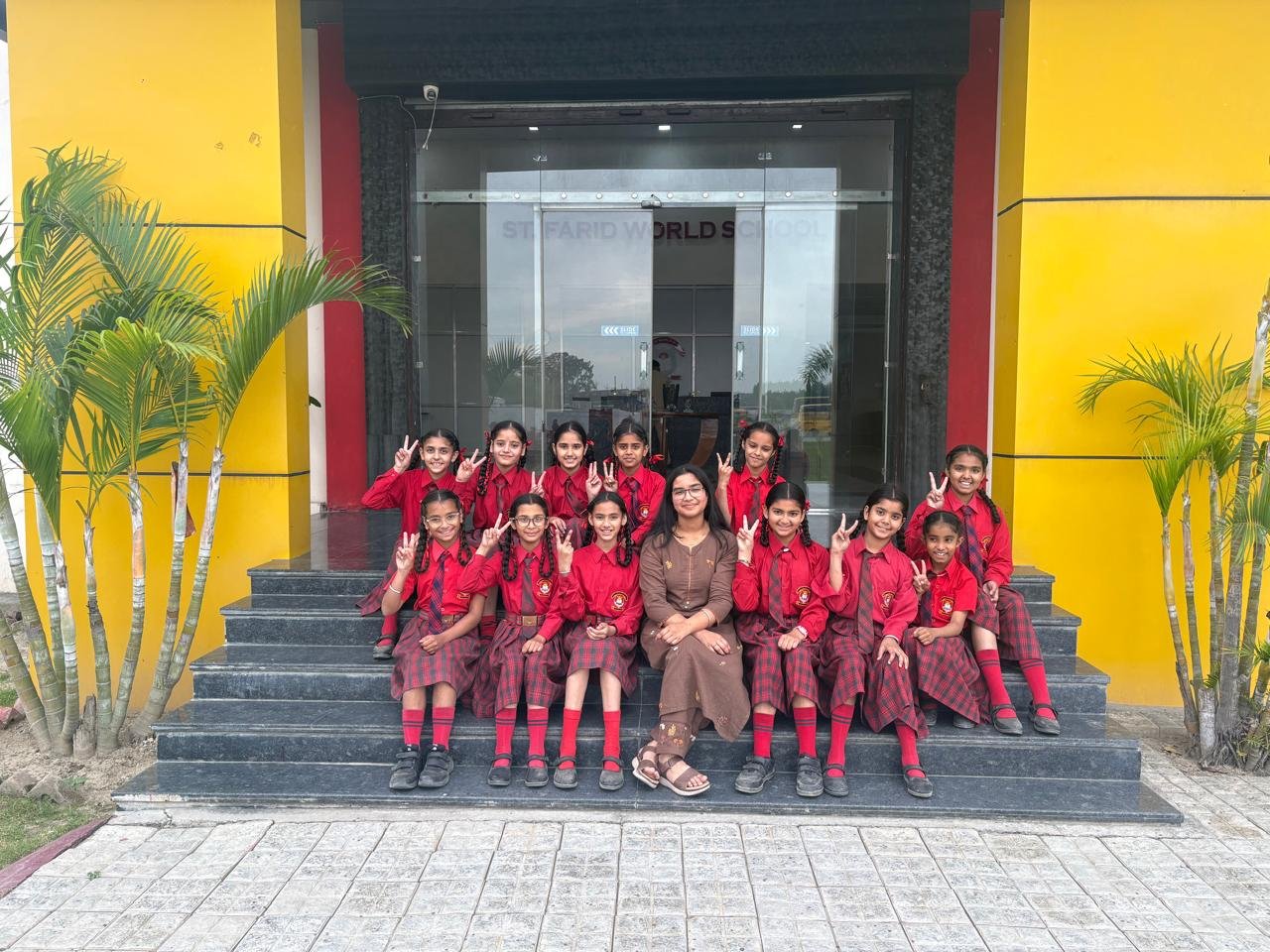
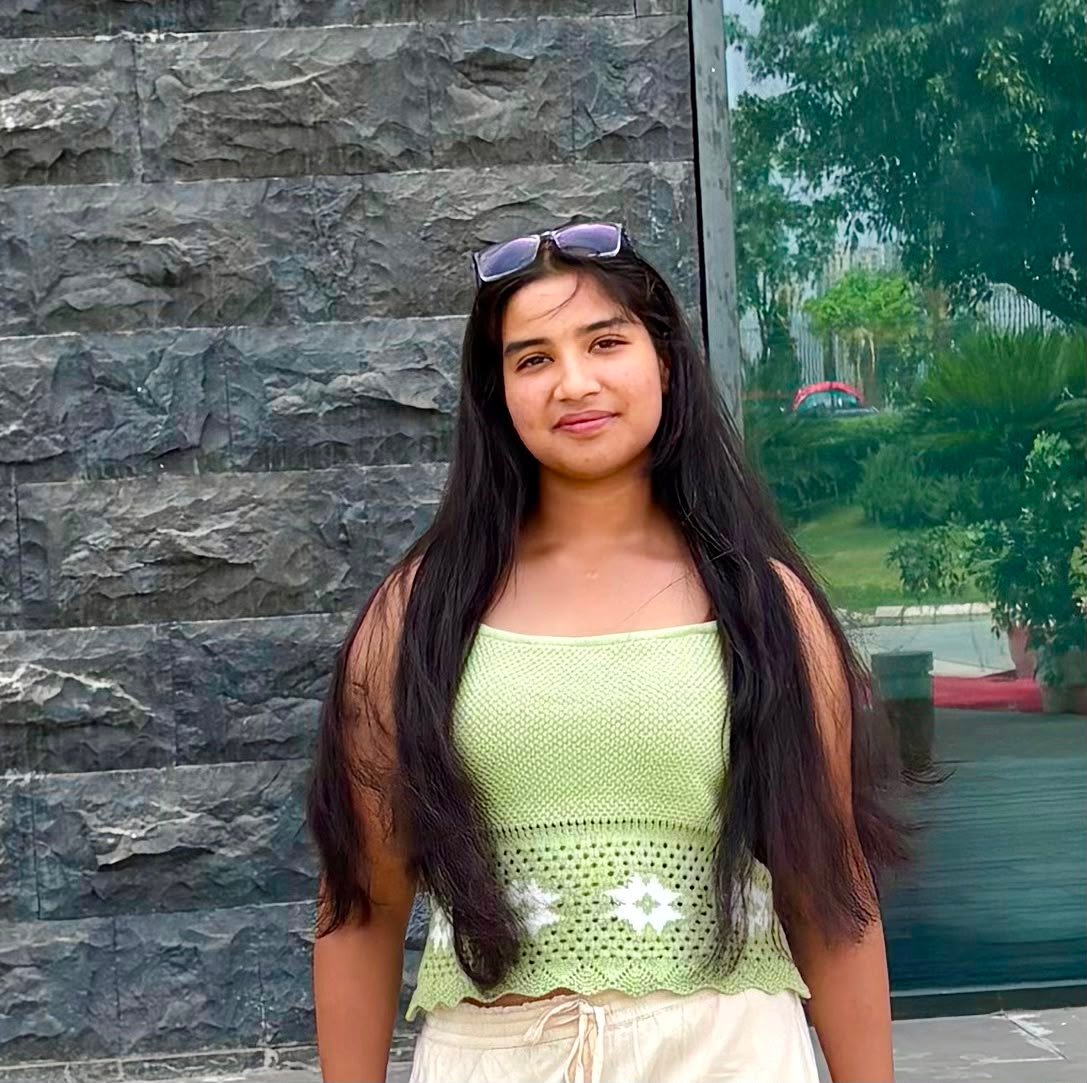
At seventeen months old, a slice of bread was already my body's enemy. I've spent my whole life learning to live around gluten — reading every label, asking every kitchen, sitting out at every party. Celiac Connect is how I make sure the next child doesn't have to learn it alone.
The doctors thought it was iron. My hemoglobin kept falling and no one could say why, so they treated me for anemia, month after month, and waited for me to get better. I didn't.
It took a biopsy to find the real answer: celiac disease. An autoimmune condition where gluten — the protein in wheat, in most bread, in nearly everything a child is handed at a party — quietly attacks the body from the inside. There's no medicine for it. The only treatment is to never eat it again. Not once. Not by accident.
I was too young to remember the diagnosis. But I grew up inside it. I learned which foods were safe and which ones would make me sick for days. I learned to ask questions no eight-year-old should have to ask, and to hear "just this once won't hurt" from people who meant well and were wrong.
"I stopped waiting for the world to make room for me. I decided to build the room."
The hardest part was never the food. It was the feeling of being on the outside of an ordinary moment — a cake I couldn't share, a table I couldn't fully sit at. And I realised most of it came from one thing: people simply didn't know. Celiac disease is common, but awareness of it is not.
So at fifteen, I started Celiac Connect. Not as a charity that speaks in slogans, but as the thing I wished my own family had found on the worst week of my childhood: clear answers, real support, and proof that this life can be full, safe, and completely your own.
I still remember the birthday party where I brought my own slice of cake in a box, and a girl asked why I couldn't just have "the normal one." I didn't have the words then. I have them now.
Two things, done well, change everything.
Most families wait far too long for a diagnosis because no one recognises the signs. We put clear, accurate information where parents, teachers and doctors will actually find it — so the next child is caught in months, not years.
Inclusion isn't a slogan; it's a menu that's actually safe, a classmate who understands, a kitchen that takes the question seriously. We work with schools, restaurants and families to make gluten-free the norm, not the afterthought.
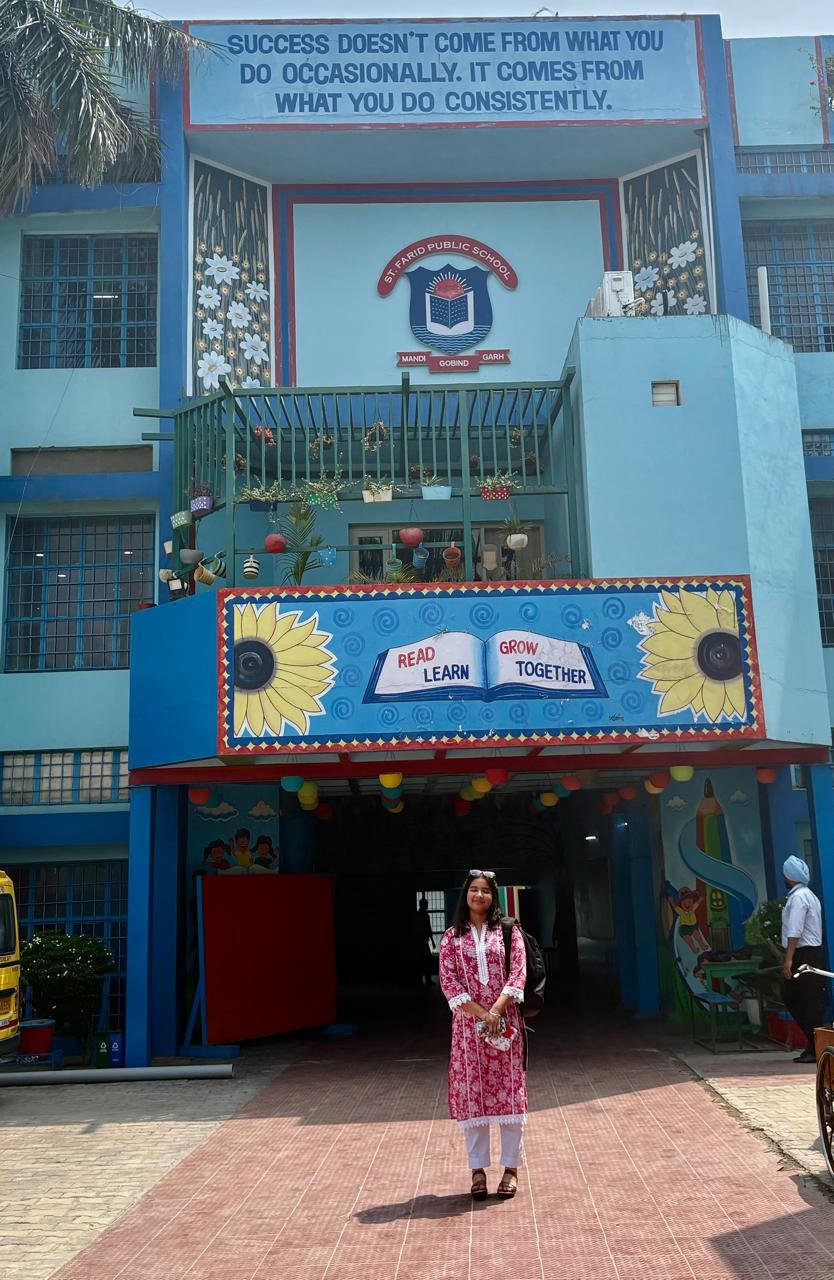
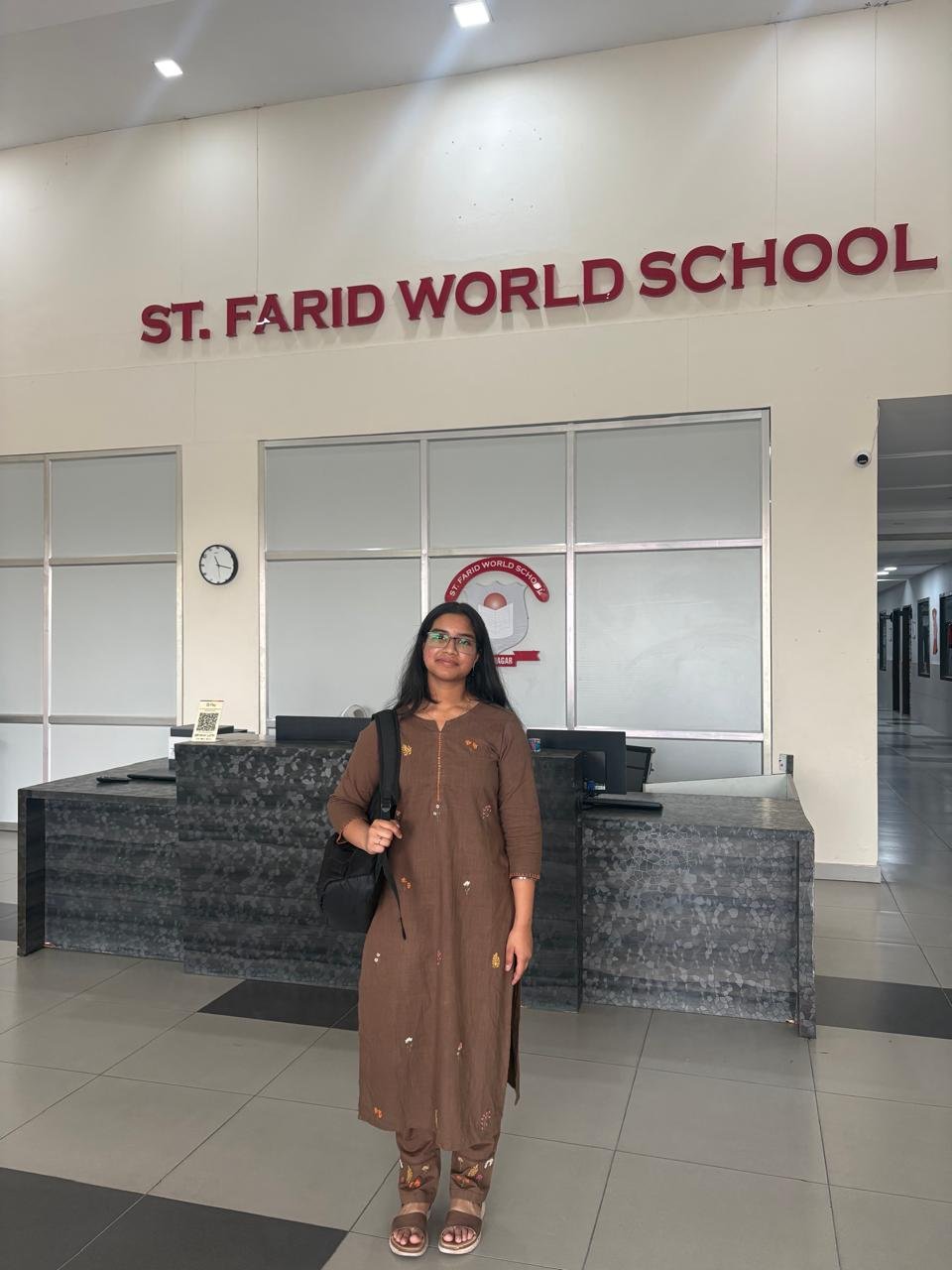
Our team of dedicated youth advocates represents schools across the country. They are the driving force behind our community outreach, helping to foster understanding and support for those living with gluten-related disorders.
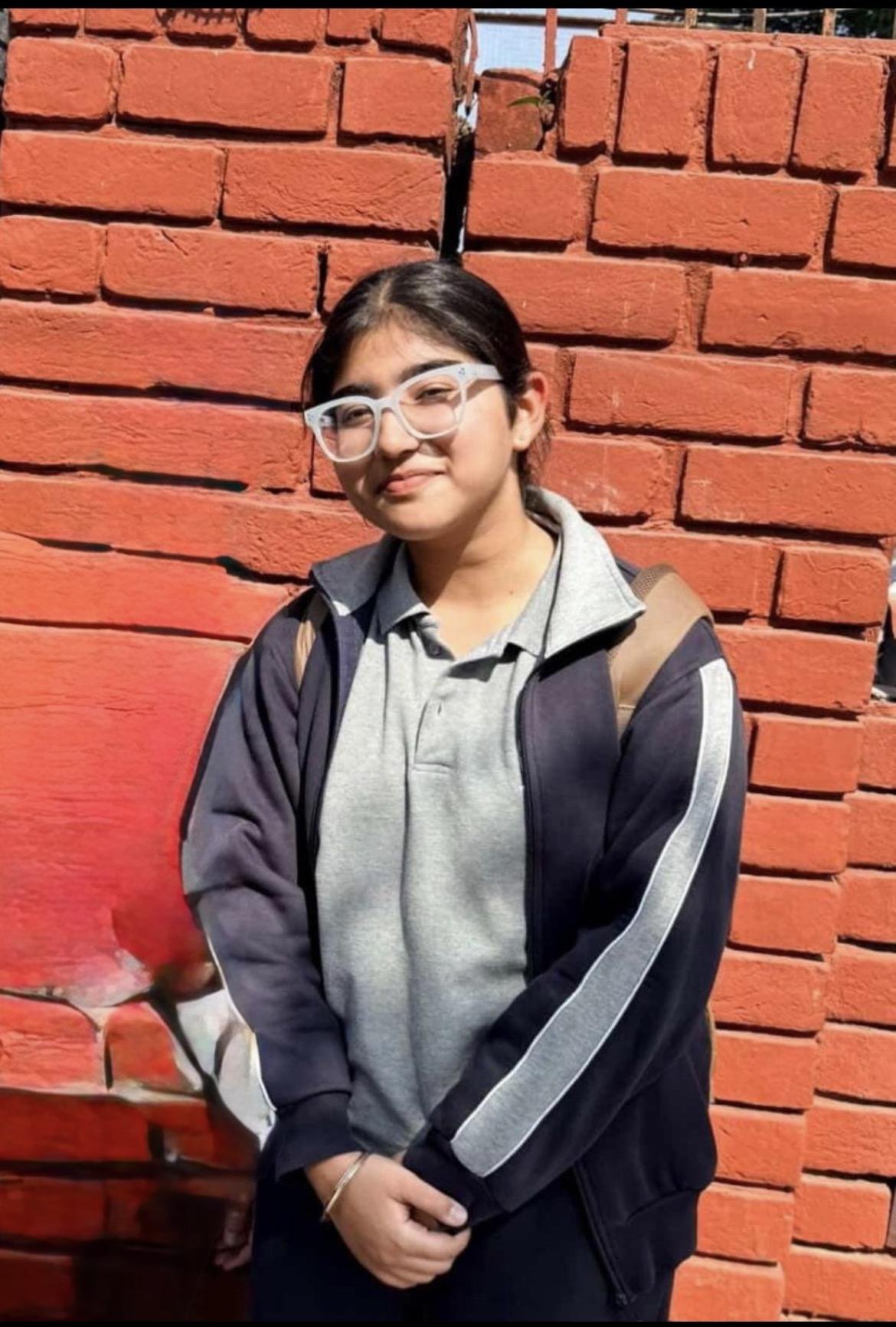
YPS, Chandigarh
A passionate voice for the celiac community, Ebadat works to ensure that safe, gluten-free environments are recognized and respected within educational institutions.
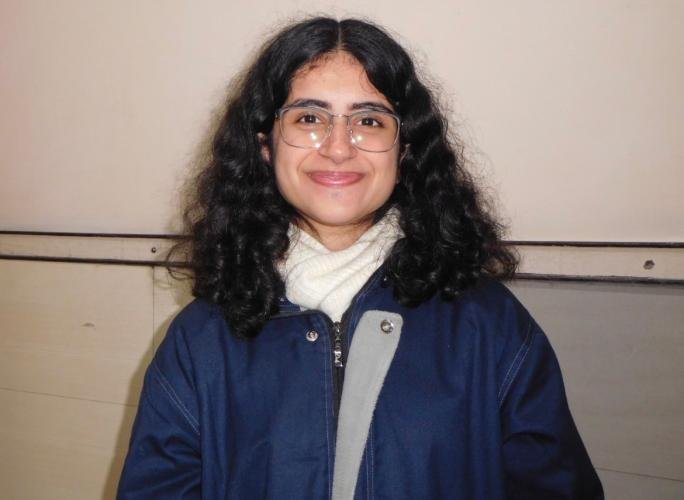
Maxford School Dwarka, New Delhi
Dedicated to education and inclusion, Anya leads outreach initiatives to help peers and teachers better understand the daily realities of gluten-related disorders.
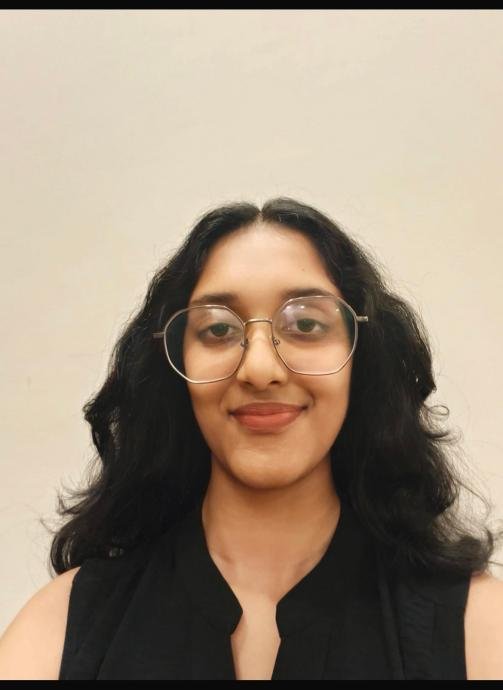
Vantage Hall Girls Residential School, Dehradun
Advocating from Dehradun, Inayat empowers students and families to confidently navigate their health through shared experiences and continuous support.
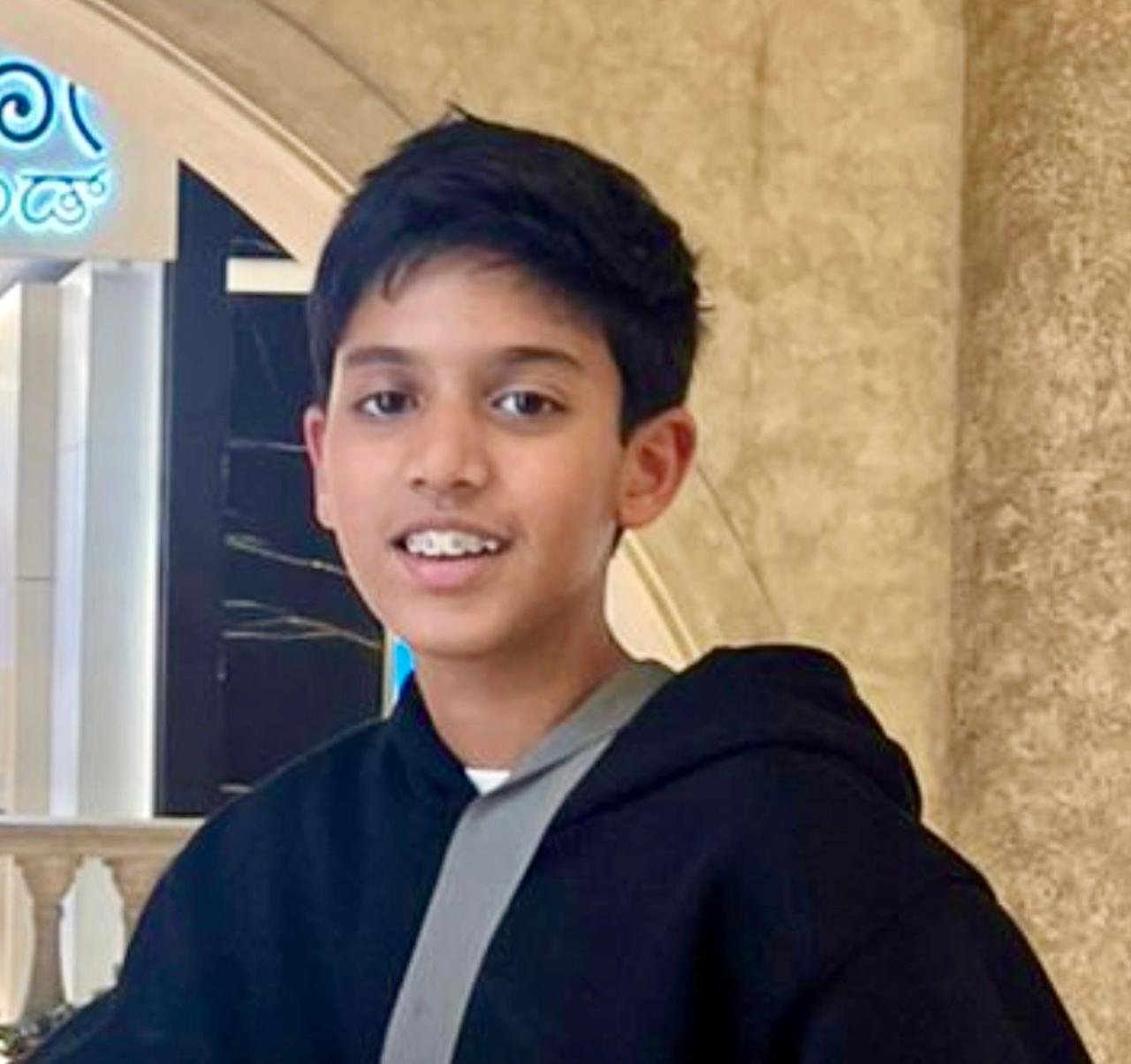
Dalhousie Public School
Committed to spreading awareness, Akhandveer works to build a supportive and inclusive environment for students navigating celiac disease.
Hear directly from our community members and supporters about their personal experiences and the impact of Celiac Connect.
Celiac disease is a lifelong autoimmune disorder in which consuming gluten—a protein found in wheat, barley, and rye—causes the immune system to mistakenly attack the lining of the small intestine.
A naturally occurring protein found in cereal grains like wheat, barley, and rye. It provides elasticity to dough but cannot be completely broken down during digestion.
Currently, there is no cure. The only effective treatment is a strict, lifelong gluten-free diet, which allows the intestine to heal and restores nutrient absorption.
We treat every individual affected by celiac disease or gluten sensitivity with empathy, respect, and understanding.
We promote accurate, evidence-based information to improve awareness, early diagnosis, and effective management.
We advocate for safe, accessible, and inclusive environments where gluten-free choices are available and respected.
We encourage individuals and families to take charge of their health through knowledge, confidence, and self-advocacy.
We work with healthcare professionals, educators, food businesses, and policymakers to drive meaningful change.
We champion the rights, safety, and well-being of people living with celiac disease through awareness initiatives.
Finding safe food shouldn't be stressful. We've compiled trusted resources and a comprehensive list of gluten-free brands to make daily living easier and safer.
Always read the product label. Look for a "Certified Gluten-Free" logo to ensure it meets safety standards.
With your support, we can strengthen the Celiac Awareness Campaign and ensure every individual with celiac disease is understood, supported, and given the opportunity to lead a healthy life.